How to Prepare Your Trees For Winter Weather

Winter is just around the corner, and with the holidays coming up quickly, now is a great time to assess your trees and prepare them for freezing winter weather. This winter is likely to be a weird one in terms of our local weather patterns, thanks to this year's Super El Niño. While the exact weather forecast for this winter is not yet confirmed, El Niño typically brings warmer and drier conditions to Cincinnati, along with an increased likelihood of sporadic cold snaps. These weather patterns can put stress on trees in our area, making it essential to prepare your trees in advance.

What Does Damage From Winter Weather Look Like?
Hardy trees in our region typically get through winter without issues. However, when unusual weather patterns occur, we sometimes see tree damage, especially on younger, newly planted trees.
Sunscald and Frost Cracks
Sunscald appears as elongated, sunken, or cracked patches of dead bark, usually on the south or southwest side of young, thin-barked trees. It happens when the sun warms the bark during the day, followed by a sudden freeze at night that damages the bark tissue.
Frost cracks are deep, vertical splits or cracks in the trunk caused by a sudden and drastic drop in winter temperatures that freezes the inner wood faster than the outer layers.
Winter Burn
Needle browning on pines, spruce, or arborvitae can turn brown, typically starting at the tips and moving inward. This often affects the southern or windward side of the tree. It happens because winter winds pull moisture out of the foliage.
This can also affect broadleaf evergreens such as southern magnolias that are common in Cincinnati.

Snow and Ice Breakage
Heavy snow can put a lot of weight on tree branches, causing them to bend, twist, or break under the pressure. This can damage large sections of the tree, especially when branches have grown unevenly, been pruned poorly, or have weak connections where they join the trunk or another branch.
Animal Damage
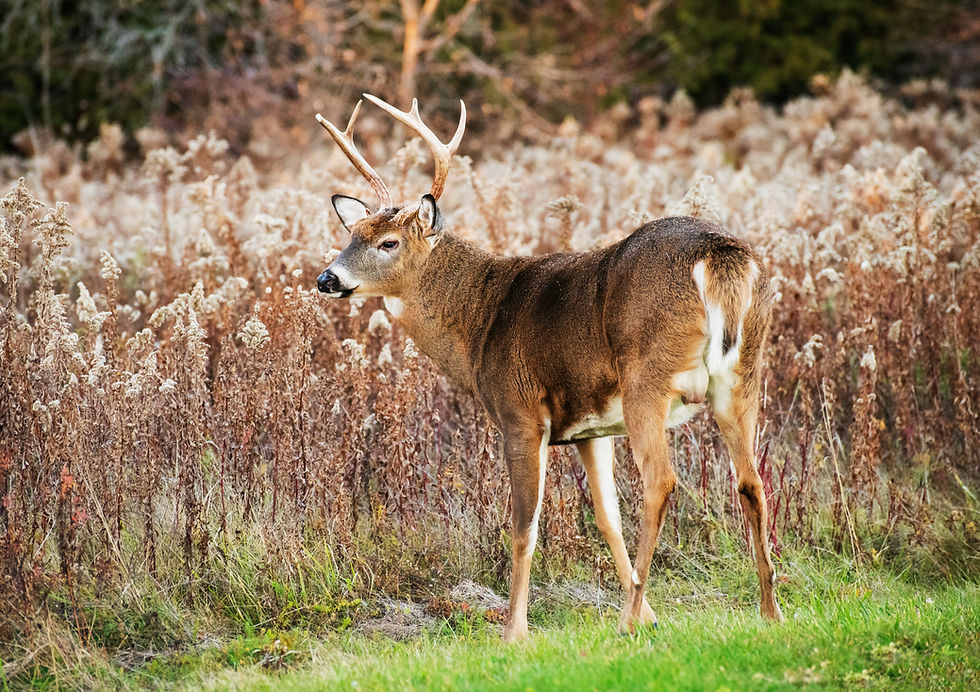
During the winter, when food is scarce, wild animals such as mice, rabbits, and deer will chew off the outer bark around the lower trunk. Deer will also browse on twigs, buds, and lower branches up to 6 feet high.
How Should You Prepare Your Trees?
A little preparation before winter can go a long way toward protecting your trees. Before the ground freezes, take a walk around your property and look for any branches that are dead, damaged, or hanging over your home, driveway, or other areas where they could cause problems if they break under the weight of snow or ice.
For young or thin-barked trees, preventing sunscald is an important part of winter tree preparation. Our arborists recommend preventative treatments, such as liquid root feeding or nutrient root hydration, to support the tree’s overall health and vigor. A healthy, well-hydrated tree is better equipped to handle stressful winter weather and recover from potential winter damage. Another way to help prevent sunscald is to loosely wrap the trunk with a light-colored tree wrap in late fall. Tree wrap should only be used during the winter months and removed once temperatures begin to warm in the spring. Leaving it on too long can trap moisture against the bark and create a place for pests and disease to develop.
Also, water newly planted trees thoroughly before the ground freezes, especially if fall has been unusually dry. Going into winter with well-hydrated roots gives trees a better chance of handling cold, dry conditions. Mulch can also help protect tree roots from extreme temperature swings. Apply a 2–4 inch layer of mulch around the root zone, keeping it a few inches away from the trunk. Avoid piling mulch directly against the bark, which can create problems with moisture and pests.

If deer or other wildlife are common in your area, consider using a trunk guard or other physical barrier to protect young trees from winter browsing. For smaller trees and shrubs, fencing may also be needed to keep deer from reaching branches and buds.
How Can an Arborist Help?
Preparing your trees for winter doesn't have to mean doing everything yourself. A professional arborist can inspect your trees for dead or weak branches, structural problems, signs of disease, and other issues that may become more serious during winter weather. They can also recommend pruning, cabling, tree support, or other preventative care when needed.
Our tree health professionals at Gregory Forrest Lester, Inc. can also help identify trees that may be more vulnerable to winter damage and provide recommendations based on the tree's species, age, location, and overall health. Taking care of potential problems before the first major snow or cold snap can help reduce the risk of damage to your trees and property.
With a little preparation now, your trees will be better equipped to handle whatever winter brings to Cincinnati this year.