

Effective Tree Disease Solutions: How to Keep Your Trees Healthy and Strong

Trees are more than just beautiful additions to our yards and neighborhoods. They provide shade, improve air quality, and increase property value. But like any living thing, trees can get sick. When disease strikes, it can be worrying. The good news is that there are effective tree disease solutions that can help restore your trees to health. Let’s dive in and keep your trees thriving!

Understanding Tree Disease Solutions: What You Need to Know
Before jumping into treatment, it’s important to understand what tree diseases are and how they affect your trees. Tree diseases are caused by fungi, bacteria, viruses, or pests that invade the tree’s tissues. These invaders can cause symptoms like leaf spots, cankers, wilting, or dieback. Some diseases spread quickly, while others develop slowly over time.
Knowing the type of disease is key to choosing the right solution. For example, fungal infections often require different care than bacterial ones. Here are some common tree diseases and their typical signs:
Powdery Mildew: White, powdery coating on leaves.
Anthracnose: Dark, sunken spots on leaves and branches.
Canker Diseases: Sunken, dead areas on bark.
Root Rot: Wilting and yellowing leaves, often with soft roots.
Leaf Spot: Small, dark spots on leaves that may cause early leaf drop.
Identifying the problem early can save your tree from serious damage. If you notice unusual spots, discoloration, or dieback, it’s time to act.
Proven Tree Disease Solutions That Work
Once you know what you’re dealing with, you can apply effective tree disease solutions. Here are some of the best strategies we recommend:
1. Proper Pruning and Removal
Removing infected branches helps stop the spread of disease. Use clean, sharp tools and cut well below the diseased area. Dispose of the pruned material away from healthy trees to avoid contamination.
2. Improve Tree Health
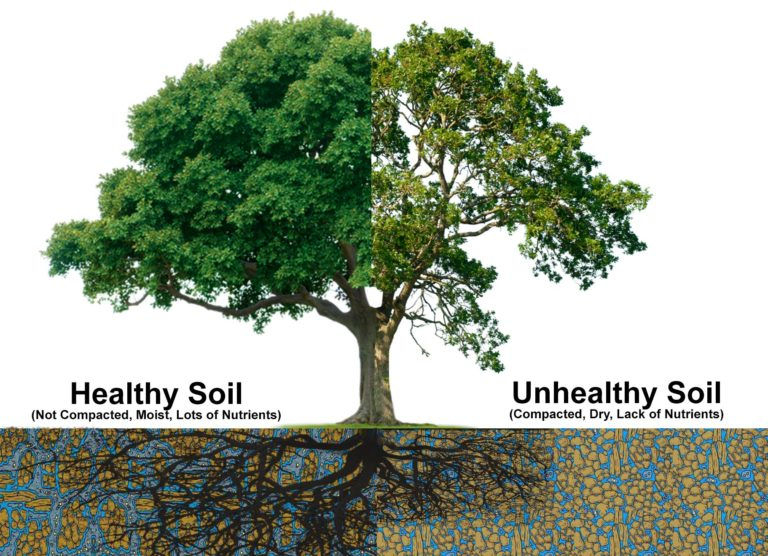
A strong tree resists disease better. Water your trees deeply during dry spells, mulch around the base to retain moisture, and fertilize appropriately. Avoid over-fertilizing, which can encourage disease.
3. Fungicide and Antibacterial Treatments
For fungal or bacterial infections, targeted chemical treatments can be very effective.
4. Soil Care
Healthy soil supports healthy roots. Aerate compacted soil and add organic matter to improve drainage and nutrient availability.
5. Monitor and Maintain
Regularly inspect your trees for signs of disease. Early detection allows for quicker, more effective treatment.
By combining these approaches, you create a strong defense against tree diseases.
What is the best way to treat tree disease?
You might wonder, “What is the best way to treat tree disease?” The answer depends on the specific disease and the tree’s condition. However, a general approach works well in most cases:
Identify the disease accurately: Use guides or consult our arborists.
Remove infected parts carefully: Prune and dispose of diseased branches.
Apply appropriate treatments: Use fungicides or antibiotics applied by our licensed technicians.
Boost tree health: Water, mulch, and fertilize properly.
Prevent future problems: Maintain good tree care practices and monitor regularly.
This step-by-step method ensures you address the problem thoroughly. Remember, patience is key. Trees take time to recover, but with consistent care, they can bounce back.
Preventing Tree Diseases: Tips for Long-Term Tree Health
Prevention is always better than cure. Here are some simple but effective tips to keep your trees healthy and disease-free:
Choose disease-resistant tree species when planting new trees.
Plant trees in suitable locations with good sunlight and soil conditions.
Avoid injuring trees with lawn equipment or construction.
Keep the area around trees clean and free of fallen leaves or debris.
Water trees properly, especially young ones.
Avoid overwatering, which can cause root rot.
Inspect trees regularly for early signs of trouble.
By following these tips, you reduce the risk of disease and help your trees thrive for years to come.

When to Call a Professional for Tree Disease Treatment
Sometimes, tree diseases can be complex or severe. If you notice rapid decline, large dead areas, or if the tree poses a safety risk, it’s best to call our professional arborists. They can diagnose tricky diseases, provide advanced treatments, and recommend removal if necessary.
Remember, timely intervention can save your tree and protect your property. Don’t hesitate to seek help if you’re unsure about the health of your trees. A healthier tree is stronger and less susceptible to disease, ensuring its longevity and beauty in your landscape.
If you have any questions or concerns, please reach out to us at Gregory Forrest Lester, Inc. for specialized assistance.


