

Why We Expect Increased Pest & Disease Pressure in Trees Next Year

A Board-Certified Master Arborist’s Perspective

This past year delivered one of the most inconsistent and stressful growing seasons we’ve seen in quite some time. From an excessively wet spring to extreme heat, heavy summer rain, and then a hot and dry finish, the weather created the perfect setup for elevated pest and disease pressure heading into next year.
As a Board-Certified Master Arborist, I want to explain why these conditions matter, and what property owners can expect as we move into 2026.
A Difficult Start: Another Saturated Spring
The season began with our now “typical” pattern: an excessively rainy, waterlogged spring.
When soils remain saturated during budbreak and early leaf development:
Roots receive less oxygen
Young foliage becomes more susceptible to infection
Fungal pathogens get an early foothold
Many trees entered summer already stressed and more vulnerable than normal.

July Brought Extreme Heat and Heavy Rain
July followed with an unusual combination: intense heat paired with significant rainfall. While rain is usually beneficial, warm and wet conditions together create a perfect environment for:
Rapid fungal development
Increased spore production
Faster spread of leaf, shoot, and needle diseases
Because trees were already stressed from spring saturation, they had less energy to resist this increased disease pressure.
Then the Pattern Flipped: Hot and Dry Late Summer
As we moved into August and September, the weather shifted dramatically to high heat with almost no rainfall. This sudden drought stress following weeks of soil saturation caused:
Root dieback
Reduced nutrient uptake
Lower defense chemistry
Greater vulnerability to insects and pathogens
Trees simply cannot adapt quickly to rapid changes in soil moisture and temperature—this “weather whiplash” weakens them further.
Higher Pest Presence Already Emerging
Not only are we seeing higher disease levels this year, but we are also observing increased pest presence and stronger pest pressure than normal.
This includes:
More scale activity
Elevated mite populations
Higher borer activity
Earlier-than-usual infestations
Multiple species showing higher-than-normal density
Heat accelerates insect life cycles, and the stressful growing conditions have created ideal opportunities for pests to feed and reproduce.
Why This Matters for Next Year
Most tree pests overwinter hide in:
Bark crevices
Soil
Leaf litter
Branch canopies
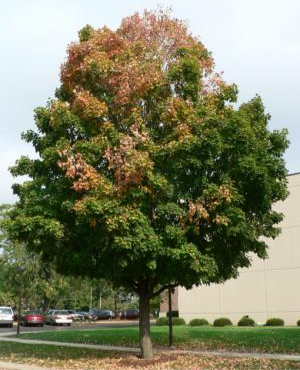
When their populations start high in the fall, they typically explode the following spring. Based on what we’re seeing now, many pests will likely reproduce more rapidly next year, causing:
Heavier feeding damage
Faster canopy decline
Greater risk of borer infestations on stressed trees
More trees entering decline or dieback cycles
This aligns with what we’ve observed during past years with similar weather patterns.
Why These Conditions Lead to More Pest & Disease Problems
This year’s unusual weather pattern set the stage for elevated pest and disease pressure because:
Trees are stressed and have reduced natural defenses
Fungal diseases thrive after wet spring + wet July
Heat accelerates reproduction rates in insects
Drought stress attracts opportunistic pests like borers
Root systems were weakened by the rapid moisture changes
Pest populations are already elevated heading into winter
When trees cannot maintain normal defense chemistry, insects and pathogens take advantage quickly—and reproduce even faster the following season.
Golf Courses Are the Early Warning Sign
Local golf courses—where turf is monitored daily—have already been battling unusually aggressive turf diseases this year. Turf reacts faster than trees, so when we see widespread disease in turfgrass, trees typically experience similar pressure the following season.
This year’s turf issues are a strong indicator that both tree disease and pest pressure will increase significantly next year.

How Property Owners Can Prepare
With disease and pest populations already elevated, taking proactive steps is essential. We recommend:
Scheduling winter or early-spring tree inspections
Applying preventative fungicides or systemic insect treatments
Maintaining proper mulch and watering practices
Removing deadwood to reduce infection and infestation points
Deep-root fertilizing to rebuild root strength
These measures can dramatically improve a tree’s ability to withstand the challenges coming next year.
Looking Ahead
From a saturated spring to a hot, wet July and a hot, dry finish, this year created one of the most stressful growing environments our region has seen in years. We are already seeing higher pest activity and more disease pressure than normal—and these issues will likely multiply rapidly next season.
Recognizing the warning signs now and acting proactively is the best way to protect tree health and preserve your landscape investment.

