

Kuliga Trail
Black Walnut
(Juglans nigra)

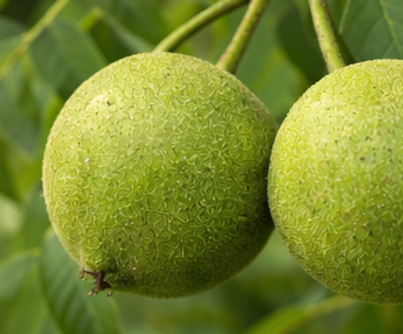
The Black Walnut is a large native tree known for its compound leaves, deeply furrowed bark, and round green nuts. It commonly grows in rich soils along rivers, floodplains, forests, and open natural areas throughout Ohio.
Black Walnut trees are highly valued for both wildlife and people. Their nuts provide food for animals, while the dark, durable wood is prized for furniture, cabinetry, and woodworking.
Quick Facts
-
Height: 50–90 feet
-
Spread: 50–75 feet wide
-
Growth Rate: Moderate
-
Lifespan: 100–150+ years
-
Habitat: Rich woodlands, floodplains, streambanks, and open areas



Fun Facts
-
Black Walnut wood is highly valued for furniture and woodworking
-
Squirrels and wildlife depend on the nuts for food
-
The outer nut husk can stain hands and surfaces dark brown
-
Black Walnut trees produce a natural chemical called juglone that can affect nearby plants
-
Some Black Walnuts can live well over 100 years
Trail Challenge
Can you spot a Black Walnut?
Look around the trail and try to find:
✔ Long compound leaves
✔ Large green nuts
✔ Dark, deeply ridged bark
✔ A tall, straight trunk
Bonus:
Can you spot old walnut husks on the ground beneath the tree?
Why This Tree Matters
Black Walnut trees provide:
-
Food for birds and wildlife
-
Valuable habitat in forest ecosystems
-
Shade and cooling in landscapes
-
Strong, durable wood used by people for generations
They are an important native tree that supports both natural ecosystems and human use.
Keep Exploring
Scan other trail markers to discover more native trees and how they shape the environment around you.